Buy sportcloud.eu ?
We are moving the project
sportcloud.eu .
Are you interested in purchasing the domain
sportcloud.eu ?
domain@kv-gmbh.de · 0541-91531010
Buy sportcloud.eu ?
Why dative?
The dative case is used in many languages to indicate the indirect object of a verb, showing to whom or for whom an action is done. It helps clarify the recipient of an action or the person who benefits from it. By using the dative case, speakers can provide more specific information about the relationships between the subject, verb, and object in a sentence. This case is essential for conveying nuances of meaning and ensuring clear communication in various contexts. **
Dative or accusative?
Dative and accusative are two different cases in grammar that indicate the relationship between a verb and its object. The dative case is used to show the indirect object of a verb, while the accusative case is used to show the direct object. To determine whether to use dative or accusative, you need to consider the verb in the sentence and identify whether the object is receiving the action directly (accusative) or indirectly (dative). **

Similar search terms for Dative
Top-Angebote
Products related to Dative:
-
Stamina Mini Exercise Bike by Stamina in Purple GreyJust Spin to BeginWhen you're beginning your fitness journey, there's no better way to start than in the comfort of your home or at work in your cubicle. With the upgraded purple Stamina Mini Exercise Bike, you can do just that. In fact, you can use...104,99 $*Shipping: 29,98 $Secure redirect to the provider
-
Stamina Wirk Under Desk Exercise Bike by Stamina in GreenNo More Painful Desk ExerciseIf you've tried an under-the-desk cycle before, you know how hard it can be to position yourself into that sweet spot. Luckily, with the Stamina WIRK Under Desk Exercise Bike, you don't have to worry about banging your...159,99 $*Shipping: 33,98 $Secure redirect to the provider
-
HarperCollins Children's Books Fitter, Healthier, Happier! by Joe Wicks - Illustrated Kids' Health & Fitness Book - Ages 7-11 - Paperback - Exercise, Nutrition, Sleep & MindsetGet fit, feel happy, and be healthy with this fun and easy-to-understand guide for kids aged 7-11. Written by global fitness phenomenon Joe Wicks, this fully illustrated paperback explains how the body works, why movement matters, how to eat well, and how sleep and mindset support wellbeing. It's perfect for curious young readers who want to learn about staying healthy and happy at home or in the classroom. Learn all about your body and mind with this dynamic, fact-filled children's book from Joe Wicks, best known for his energetic and encouraging style in PE with Joe and Activate.4,99 £*Shipping: 2,99 £Secure redirect to the provider
-
Harper ltd Max Lugavere 2 Book Set – Genius Foods & The Genius Life Brain Health, Nutrition & Wellness CollectionMax Lugavere 2-Book Collection Set (The Genius Life & Genius Foods – Nutrition, Health, Wellness, Diet, Brain & Body Health, Self-Help & Fitness) The Genius Life: Heal Your Mind, Strengthen Your Body, and Become Extraordinary: Supporting the work of Battersea Dogs and Cats Home.Enjoy a heartwarming dog to brighten every single day of the year. From Pickles, the dog who single-handedly saved the 1966 world cup, to Pal, who found silver screen fame as the original Lassie, Battersea's A Dog a Day contains 365 fascinating stories of dogs to enjoy throughout the year.Beautifully packaged and illustrated throughout with charming illustrations of cheeky puppies and hounds, this is the perfect book for any lover of our four-legged friends. Genius Foods: Become Smarter, Happier, and More Productive While Protecting Your Brain for Life: After his mother was diagnosed with a mysterious form of dementia, Max Lugavere put his successful media career on hold to learn everything he could about brain health and performance. For the better half of a decade, he consumed the most up-to-date scientific research, talked to dozens of leading scientists and clinicians around the world, and visited the country’s best neurology departments—all in the hopes of understanding his mother’s condition.Now, in Genius Foods, Lugavere presents a comprehensive guide to brain optimization. He uncovers the stunning link between our dietary and lifestyle choices and our brain functions, revealing how the foods you eat directly affect your ability to focus, learn, remember, create, analyze new ideas, and maintain a balanced mood.12,95 £*Shipping: 2,99 £Secure redirect to the provider




-
Why dative case?
The dative case is used to indicate the indirect object of a sentence, showing to whom or for whom an action is being done. It helps to clarify the relationships between the different elements of a sentence and is essential for conveying the correct meaning. In many languages, including German, Russian, and Latin, the dative case is an important part of the grammar and is used in a wide range of contexts. Overall, the dative case is important for expressing the recipient or beneficiary of an action and is an essential part of understanding and using these languages effectively. **
-
Tolerate dative or accusative?
Whether to use the dative or accusative case in German depends on the verb being used and the prepositions that accompany it. Some verbs require the dative case, such as helfen (to help) or danken (to thank), while others require the accusative case, such as sehen (to see) or essen (to eat). It is important to learn which case each verb requires in order to use the correct form in a sentence. **
-
When to use dative?
The dative case is used in German to indicate the indirect object of a sentence, which is the person or thing that receives the direct object. It is also used after certain prepositions, such as "mit" (with), "nach" (after), and "von" (from). Additionally, the dative case is used with certain verbs that require an indirect object, such as "helfen" (to help) or "antworten" (to answer). **
-
What are dative adjectives?
Dative adjectives are adjectives that are used to describe nouns in the dative case. In many languages, including German and Latin, the dative case is used to indicate the indirect object of a verb or the recipient of an action. Dative adjectives agree in gender, number, and case with the noun they are describing, and they often convey a sense of possession, benefit, or disadvantage. For example, in German, the dative adjective "guten" (good) would be used to describe a masculine singular noun in the dative case, such as "dem Mann" (to the man). **

Dative or Genitive 2?
The choice between dative and genitive case in German depends on the verb or preposition being used. "Dative" is used to indicate the indirect object of a sentence, while "genitive" is used to show possession or a relationship between two nouns. "Genitive 2" specifically refers to the genitive case used after certain prepositions, such as trotz (despite) or während (during). It's important to learn the specific prepositions and verbs that require either dative or genitive case in order to use them correctly in German sentences. **
Is there a difference between the dative case and the dative object?
Yes, there is a difference between the dative case and the dative object. The dative case is a grammatical case that typically indicates the indirect object of a verb or the object of certain prepositions. On the other hand, the dative object refers specifically to the noun or pronoun that is in the dative case in a sentence. In other words, the dative case is a grammatical concept, while the dative object is a specific element within a sentence that is marked by the dative case. **
Top-Angebote
Products related to Dative:
-
Mini Exercise Bike, Blue Home Fitness Equipment by Stamina in BlueWith the Stamina Mini Exercise Bike, you can work your lower or upper body from the comfort of home and even sitting down! Choose between 8 levels of quiet magnetic resistance to increase or decrease the intensity of your workout. The Smooth Pedal...119,99 $*Shipping: 31,98 $Secure redirect to the provider
-
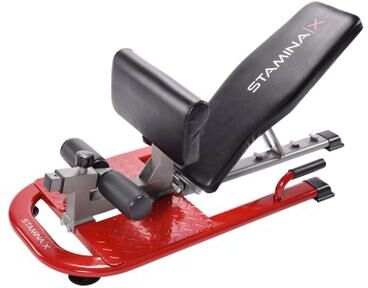
Stamina X 4-In-1 Strength Training Station Home Fitness Equipment by Stamina in Red Black"The Stamina X 4-in-1 Strength Training Station allows you to easily and efficiently sculpt and strengthen your back, chest and legs. Perform assisted squats, sit-ups, push-ups, sit-to-stands, back extensions and more. Traditional ""sissy squat..."229,99 $*Shipping: 48,58 $Secure redirect to the provider
-
Stamina Mini Exercise Bike by Stamina in Purple GreyJust Spin to BeginWhen you're beginning your fitness journey, there's no better way to start than in the comfort of your home or at work in your cubicle. With the upgraded purple Stamina Mini Exercise Bike, you can do just that. In fact, you can use...104,99 $*Shipping: 29,98 $Secure redirect to the provider
-
Stamina Wirk Under Desk Exercise Bike by Stamina in GreenNo More Painful Desk ExerciseIf you've tried an under-the-desk cycle before, you know how hard it can be to position yourself into that sweet spot. Luckily, with the Stamina WIRK Under Desk Exercise Bike, you don't have to worry about banging your...159,99 $*Shipping: 33,98 $Secure redirect to the provider
-
Why dative?
The dative case is used in many languages to indicate the indirect object of a verb, showing to whom or for whom an action is done. It helps clarify the recipient of an action or the person who benefits from it. By using the dative case, speakers can provide more specific information about the relationships between the subject, verb, and object in a sentence. This case is essential for conveying nuances of meaning and ensuring clear communication in various contexts. **
-
Dative or accusative?
Dative and accusative are two different cases in grammar that indicate the relationship between a verb and its object. The dative case is used to show the indirect object of a verb, while the accusative case is used to show the direct object. To determine whether to use dative or accusative, you need to consider the verb in the sentence and identify whether the object is receiving the action directly (accusative) or indirectly (dative). **
-
Why dative case?
The dative case is used to indicate the indirect object of a sentence, showing to whom or for whom an action is being done. It helps to clarify the relationships between the different elements of a sentence and is essential for conveying the correct meaning. In many languages, including German, Russian, and Latin, the dative case is an important part of the grammar and is used in a wide range of contexts. Overall, the dative case is important for expressing the recipient or beneficiary of an action and is an essential part of understanding and using these languages effectively. **
-
Tolerate dative or accusative?
Whether to use the dative or accusative case in German depends on the verb being used and the prepositions that accompany it. Some verbs require the dative case, such as helfen (to help) or danken (to thank), while others require the accusative case, such as sehen (to see) or essen (to eat). It is important to learn which case each verb requires in order to use the correct form in a sentence. **
Similar search terms for Dative
-
HarperCollins Children's Books Fitter, Healthier, Happier! by Joe Wicks - Illustrated Kids' Health & Fitness Book - Ages 7-11 - Paperback - Exercise, Nutrition, Sleep & MindsetGet fit, feel happy, and be healthy with this fun and easy-to-understand guide for kids aged 7-11. Written by global fitness phenomenon Joe Wicks, this fully illustrated paperback explains how the body works, why movement matters, how to eat well, and how sleep and mindset support wellbeing. It's perfect for curious young readers who want to learn about staying healthy and happy at home or in the classroom. Learn all about your body and mind with this dynamic, fact-filled children's book from Joe Wicks, best known for his energetic and encouraging style in PE with Joe and Activate.4,99 £*Shipping: 2,99 £Secure redirect to the provider
-
Harper ltd Max Lugavere 2 Book Set – Genius Foods & The Genius Life Brain Health, Nutrition & Wellness CollectionMax Lugavere 2-Book Collection Set (The Genius Life & Genius Foods – Nutrition, Health, Wellness, Diet, Brain & Body Health, Self-Help & Fitness) The Genius Life: Heal Your Mind, Strengthen Your Body, and Become Extraordinary: Supporting the work of Battersea Dogs and Cats Home.Enjoy a heartwarming dog to brighten every single day of the year. From Pickles, the dog who single-handedly saved the 1966 world cup, to Pal, who found silver screen fame as the original Lassie, Battersea's A Dog a Day contains 365 fascinating stories of dogs to enjoy throughout the year.Beautifully packaged and illustrated throughout with charming illustrations of cheeky puppies and hounds, this is the perfect book for any lover of our four-legged friends. Genius Foods: Become Smarter, Happier, and More Productive While Protecting Your Brain for Life: After his mother was diagnosed with a mysterious form of dementia, Max Lugavere put his successful media career on hold to learn everything he could about brain health and performance. For the better half of a decade, he consumed the most up-to-date scientific research, talked to dozens of leading scientists and clinicians around the world, and visited the country’s best neurology departments—all in the hopes of understanding his mother’s condition.Now, in Genius Foods, Lugavere presents a comprehensive guide to brain optimization. He uncovers the stunning link between our dietary and lifestyle choices and our brain functions, revealing how the foods you eat directly affect your ability to focus, learn, remember, create, analyze new ideas, and maintain a balanced mood.12,95 £*Shipping: 2,99 £Secure redirect to the provider
-
Stamina InTone Oval Fitness Trampoline w/DVD by Stamina in BlueThe Stamina® InTone® Oval Fitness Trampoline with padded handlebar and electronic monitor is a fun way to work out. You will improve your cardiovascular fitness while you tone your calves, quads, hamstrings, and buttocks. Strengthen and tone your...174,99 $*Shipping: 45,98 $Secure redirect to the provider
-
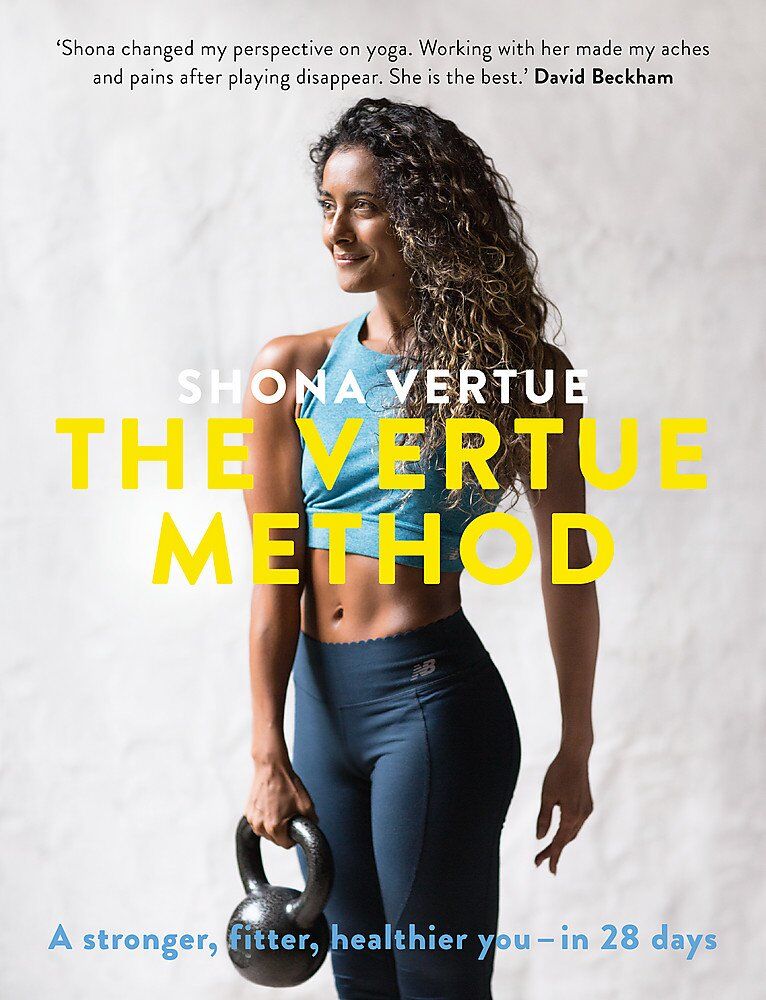
Yellow Kite The Vertue Method by Shona Vertue - Paperback - 28-Day Fitness, Yoga & Nutrition Plan - Health & Fitness BookGet fit and feel great with The Vertue Method, a 28-day plan from celebrity personal trainer and yoga teacher Shona Vertue. This practical system combines resistance training, yoga, and mindful eating to help you build strength, flexibility, and calm in body and mind. The book is designed for anyone who has tried fitness fads without lasting results, offering a realistic and sustainable route to a healthier you. Shona Vertue's expertise is distilled into a clear, structured 28-day plan that can be followed at home or in the gym. The book's signature 'three-in-one' approach combines weighted resistance training to build lean muscle and boost metabolism, yoga sequences to improve flexibility and lengthen tight muscles, and mindful eating to promote a balanced diet. With The Vertue Method, you can achieve a stronger, fitter, and healthier you in just 28 days.13,99 £*Shipping: 2,99 £Secure redirect to the provider
-
When to use dative?
The dative case is used in German to indicate the indirect object of a sentence, which is the person or thing that receives the direct object. It is also used after certain prepositions, such as "mit" (with), "nach" (after), and "von" (from). Additionally, the dative case is used with certain verbs that require an indirect object, such as "helfen" (to help) or "antworten" (to answer). **
-
What are dative adjectives?
Dative adjectives are adjectives that are used to describe nouns in the dative case. In many languages, including German and Latin, the dative case is used to indicate the indirect object of a verb or the recipient of an action. Dative adjectives agree in gender, number, and case with the noun they are describing, and they often convey a sense of possession, benefit, or disadvantage. For example, in German, the dative adjective "guten" (good) would be used to describe a masculine singular noun in the dative case, such as "dem Mann" (to the man). **
-
Dative or Genitive 2?
The choice between dative and genitive case in German depends on the verb or preposition being used. "Dative" is used to indicate the indirect object of a sentence, while "genitive" is used to show possession or a relationship between two nouns. "Genitive 2" specifically refers to the genitive case used after certain prepositions, such as trotz (despite) or während (during). It's important to learn the specific prepositions and verbs that require either dative or genitive case in order to use them correctly in German sentences. **
-
Is there a difference between the dative case and the dative object?
Yes, there is a difference between the dative case and the dative object. The dative case is a grammatical case that typically indicates the indirect object of a verb or the object of certain prepositions. On the other hand, the dative object refers specifically to the noun or pronoun that is in the dative case in a sentence. In other words, the dative case is a grammatical concept, while the dative object is a specific element within a sentence that is marked by the dative case. **
* All prices are inclusive of VAT and, if applicable, plus shipping costs. The offer information is based on the details provided by the respective shop and is updated through automated processes. Real-time updates do not occur, so deviations can occur in individual cases. ** Note: Parts of this content were created by AI.