Buy sportcloud.eu ?
We are moving the project
sportcloud.eu .
Are you interested in purchasing the domain
sportcloud.eu ?
domain@kv-gmbh.de · 0541-91531010
Buy sportcloud.eu ?
How do you transform an object clause or a subject clause into a dependent clause (subordinate clause)?
To transform an object clause or a subject clause into a dependent clause, you can add a subordinating conjunction at the beginning of the clause. For example, changing "I know that he is coming" (object clause) to "I know when he is coming" (dependent clause). Another way is to remove the subject or object pronoun and change the verb form to make it dependent on the main clause. For instance, changing "She believes she can win" (subject clause) to "She believes she can win" (dependent clause). **
Is an infinitive clause a subordinate clause?
Yes, an infinitive clause is a type of subordinate clause. It functions as a single unit within a sentence and is dependent on the main clause for its meaning. Infinitive clauses typically begin with the word "to" followed by a verb, and they can serve various purposes such as expressing purpose, result, or obligation. **
Similar search terms for Clause
Top-Angebote
Products related to Clause:
-
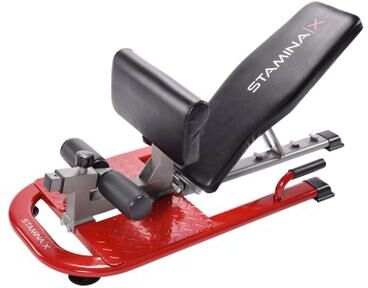
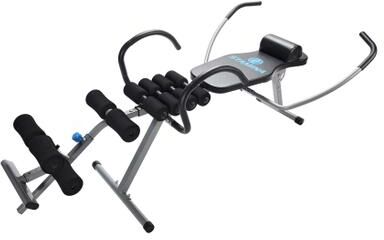
Stamina X 4-In-1 Strength Training Station Home Fitness Equipment by Stamina in Red Black"The Stamina X 4-in-1 Strength Training Station allows you to easily and efficiently sculpt and strengthen your back, chest and legs. Perform assisted squats, sit-ups, push-ups, sit-to-stands, back extensions and more. Traditional ""sissy squat..."229,99 $*Shipping: 48,58 $Secure redirect to the provider
-
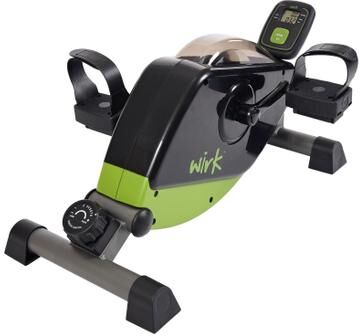
Stamina Wirk Under Desk Exercise Bike by Stamina in GreenNo More Painful Desk ExerciseIf you've tried an under-the-desk cycle before, you know how hard it can be to position yourself into that sweet spot. Luckily, with the Stamina WIRK Under Desk Exercise Bike, you don't have to worry about banging your...159,99 $*Shipping: 33,98 $Secure redirect to the provider
-
Stamina Active Aging Easy Decompress by Stamina in BlackDeep Spine Decompression You DesireThe Stamina Active Aging EasyDecompress provides an efficient and safe way to comfortably decompress the lumbar spine. The simple, easy-to-operate design provides traction, improves body alignment and posture, and...299,99 $*Shipping: 56,98 $Secure redirect to the provider
-
Stamina InTone Oval Fitness Trampoline w/DVD by Stamina in BlueThe Stamina® InTone® Oval Fitness Trampoline with padded handlebar and electronic monitor is a fun way to work out. You will improve your cardiovascular fitness while you tone your calves, quads, hamstrings, and buttocks. Strengthen and tone your...174,99 $*Shipping: 45,98 $Secure redirect to the provider

-
What are main clause-subordinate clause constructions?
Main clause-subordinate clause constructions are sentences that consist of a main clause and one or more subordinate clauses. The main clause is a complete sentence that can stand alone, while the subordinate clause depends on the main clause for its meaning and cannot stand alone. Subordinate clauses often begin with subordinating conjunctions such as "because," "although," "if," or "when," and they provide additional information or context to the main clause. These constructions allow for more complex and nuanced sentence structures, and they are commonly used in both spoken and written language. **
-
Can an adverbial clause also be a subject clause or an object clause?
No, an adverbial clause cannot be a subject clause or an object clause. An adverbial clause functions as an adverb to modify a verb, adjective, or adverb in a sentence. Subject clauses and object clauses, on the other hand, serve as the subject or object of the main clause, respectively. Each type of clause has a specific grammatical function within a sentence. **
-
Is the main clause and subordinate clause correct?
To determine if the main clause and subordinate clause are correct, you need to ensure that they are grammatically sound and that they make sense when combined. The main clause should be able to stand alone as a complete sentence, while the subordinate clause provides additional information but cannot stand alone. Checking for subject-verb agreement and proper punctuation between the two clauses can help confirm their correctness. **
-
How do I recognize a relative clause, a conjunctional clause, and an interrogative clause?
A relative clause typically starts with a relative pronoun (such as who, whom, whose, which, or that) and provides more information about a noun in the main clause. A conjunctional clause, on the other hand, is introduced by a conjunction (such as and, but, or because) and connects two independent clauses. An interrogative clause is a type of clause that asks a question and is typically introduced by an interrogative pronoun (such as who, what, when, where, why, or how) or an interrogative adverb (such as how, when, or where). **


How can I recognize a relative clause, a conjunctional clause, and an interrogative clause?
A relative clause is a type of dependent clause that typically starts with a relative pronoun (such as who, whom, whose, which, or that) and provides additional information about a noun in the main clause. A conjunctional clause, on the other hand, is a dependent clause that functions as an adverb, adjective, or noun in a sentence and is connected to the main clause by a conjunction (such as because, although, if, when, etc.). An interrogative clause is a type of clause that asks a question and typically begins with a question word (such as who, what, where, when, why, or how) or with a helping verb followed by the subject. **
Is the accompanying clause in direct speech a main clause or a subordinate clause?
The accompanying clause in direct speech can be either a main clause or a subordinate clause, depending on its role in the sentence. If the clause is expressing a complete thought and can stand alone as a sentence, then it is a main clause. However, if the clause is dependent on the rest of the sentence for its meaning and cannot stand alone, then it is a subordinate clause. It's important to consider the context and structure of the sentence to determine the role of the accompanying clause in direct speech. **
Top-Angebote
Products related to Clause:
-
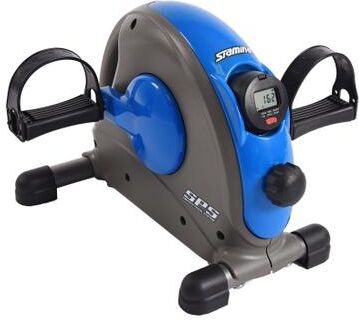
Mini Exercise Bike, Blue Home Fitness Equipment by Stamina in BlueWith the Stamina Mini Exercise Bike, you can work your lower or upper body from the comfort of home and even sitting down! Choose between 8 levels of quiet magnetic resistance to increase or decrease the intensity of your workout. The Smooth Pedal...119,99 $*Shipping: 31,98 $Secure redirect to the provider
-
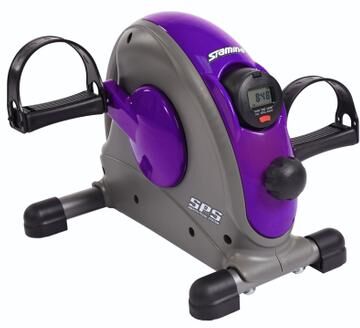
Stamina Mini Exercise Bike by Stamina in Purple GreyJust Spin to BeginWhen you're beginning your fitness journey, there's no better way to start than in the comfort of your home or at work in your cubicle. With the upgraded purple Stamina Mini Exercise Bike, you can do just that. In fact, you can use...104,99 $*Shipping: 29,98 $Secure redirect to the provider
-
Stamina X 4-In-1 Strength Training Station Home Fitness Equipment by Stamina in Red Black"The Stamina X 4-in-1 Strength Training Station allows you to easily and efficiently sculpt and strengthen your back, chest and legs. Perform assisted squats, sit-ups, push-ups, sit-to-stands, back extensions and more. Traditional ""sissy squat..."229,99 $*Shipping: 48,58 $Secure redirect to the provider
-
Stamina Wirk Under Desk Exercise Bike by Stamina in GreenNo More Painful Desk ExerciseIf you've tried an under-the-desk cycle before, you know how hard it can be to position yourself into that sweet spot. Luckily, with the Stamina WIRK Under Desk Exercise Bike, you don't have to worry about banging your...159,99 $*Shipping: 33,98 $Secure redirect to the provider
-
How do you transform an object clause or a subject clause into a dependent clause (subordinate clause)?
To transform an object clause or a subject clause into a dependent clause, you can add a subordinating conjunction at the beginning of the clause. For example, changing "I know that he is coming" (object clause) to "I know when he is coming" (dependent clause). Another way is to remove the subject or object pronoun and change the verb form to make it dependent on the main clause. For instance, changing "She believes she can win" (subject clause) to "She believes she can win" (dependent clause). **
-
Is an infinitive clause a subordinate clause?
Yes, an infinitive clause is a type of subordinate clause. It functions as a single unit within a sentence and is dependent on the main clause for its meaning. Infinitive clauses typically begin with the word "to" followed by a verb, and they can serve various purposes such as expressing purpose, result, or obligation. **
-
What are main clause-subordinate clause constructions?
Main clause-subordinate clause constructions are sentences that consist of a main clause and one or more subordinate clauses. The main clause is a complete sentence that can stand alone, while the subordinate clause depends on the main clause for its meaning and cannot stand alone. Subordinate clauses often begin with subordinating conjunctions such as "because," "although," "if," or "when," and they provide additional information or context to the main clause. These constructions allow for more complex and nuanced sentence structures, and they are commonly used in both spoken and written language. **
-
Can an adverbial clause also be a subject clause or an object clause?
No, an adverbial clause cannot be a subject clause or an object clause. An adverbial clause functions as an adverb to modify a verb, adjective, or adverb in a sentence. Subject clauses and object clauses, on the other hand, serve as the subject or object of the main clause, respectively. Each type of clause has a specific grammatical function within a sentence. **
Similar search terms for Clause
-
Stamina Active Aging Easy Decompress by Stamina in BlackDeep Spine Decompression You DesireThe Stamina Active Aging EasyDecompress provides an efficient and safe way to comfortably decompress the lumbar spine. The simple, easy-to-operate design provides traction, improves body alignment and posture, and...299,99 $*Shipping: 56,98 $Secure redirect to the provider
-
Stamina InTone Oval Fitness Trampoline w/DVD by Stamina in BlueThe Stamina® InTone® Oval Fitness Trampoline with padded handlebar and electronic monitor is a fun way to work out. You will improve your cardiovascular fitness while you tone your calves, quads, hamstrings, and buttocks. Strengthen and tone your...174,99 $*Shipping: 45,98 $Secure redirect to the provider
-
Stamina X Air Rower Home Fitness Equipment by Stamina in Red BlackThe Stamina X Air Rower is for the person who is ready to take their workout and fitness to the extreme. Why spend the money and fight the crowds at the gym when you can bring the same elements of a commercial rower into your home at an affordable...649,99 $*Shipping: 107,99 $Secure redirect to the provider
-
Harper ltd Max Lugavere 2 Book Set – Genius Foods & The Genius Life Brain Health, Nutrition & Wellness CollectionMax Lugavere 2-Book Collection Set (The Genius Life & Genius Foods – Nutrition, Health, Wellness, Diet, Brain & Body Health, Self-Help & Fitness) The Genius Life: Heal Your Mind, Strengthen Your Body, and Become Extraordinary: Supporting the work of Battersea Dogs and Cats Home.Enjoy a heartwarming dog to brighten every single day of the year. From Pickles, the dog who single-handedly saved the 1966 world cup, to Pal, who found silver screen fame as the original Lassie, Battersea's A Dog a Day contains 365 fascinating stories of dogs to enjoy throughout the year.Beautifully packaged and illustrated throughout with charming illustrations of cheeky puppies and hounds, this is the perfect book for any lover of our four-legged friends. Genius Foods: Become Smarter, Happier, and More Productive While Protecting Your Brain for Life: After his mother was diagnosed with a mysterious form of dementia, Max Lugavere put his successful media career on hold to learn everything he could about brain health and performance. For the better half of a decade, he consumed the most up-to-date scientific research, talked to dozens of leading scientists and clinicians around the world, and visited the country’s best neurology departments—all in the hopes of understanding his mother’s condition.Now, in Genius Foods, Lugavere presents a comprehensive guide to brain optimization. He uncovers the stunning link between our dietary and lifestyle choices and our brain functions, revealing how the foods you eat directly affect your ability to focus, learn, remember, create, analyze new ideas, and maintain a balanced mood.12,95 £*Shipping: 2,99 £Secure redirect to the provider
-
Is the main clause and subordinate clause correct?
To determine if the main clause and subordinate clause are correct, you need to ensure that they are grammatically sound and that they make sense when combined. The main clause should be able to stand alone as a complete sentence, while the subordinate clause provides additional information but cannot stand alone. Checking for subject-verb agreement and proper punctuation between the two clauses can help confirm their correctness. **
-
How do I recognize a relative clause, a conjunctional clause, and an interrogative clause?
A relative clause typically starts with a relative pronoun (such as who, whom, whose, which, or that) and provides more information about a noun in the main clause. A conjunctional clause, on the other hand, is introduced by a conjunction (such as and, but, or because) and connects two independent clauses. An interrogative clause is a type of clause that asks a question and is typically introduced by an interrogative pronoun (such as who, what, when, where, why, or how) or an interrogative adverb (such as how, when, or where). **
-
How can I recognize a relative clause, a conjunctional clause, and an interrogative clause?
A relative clause is a type of dependent clause that typically starts with a relative pronoun (such as who, whom, whose, which, or that) and provides additional information about a noun in the main clause. A conjunctional clause, on the other hand, is a dependent clause that functions as an adverb, adjective, or noun in a sentence and is connected to the main clause by a conjunction (such as because, although, if, when, etc.). An interrogative clause is a type of clause that asks a question and typically begins with a question word (such as who, what, where, when, why, or how) or with a helping verb followed by the subject. **
-
Is the accompanying clause in direct speech a main clause or a subordinate clause?
The accompanying clause in direct speech can be either a main clause or a subordinate clause, depending on its role in the sentence. If the clause is expressing a complete thought and can stand alone as a sentence, then it is a main clause. However, if the clause is dependent on the rest of the sentence for its meaning and cannot stand alone, then it is a subordinate clause. It's important to consider the context and structure of the sentence to determine the role of the accompanying clause in direct speech. **
* All prices are inclusive of VAT and, if applicable, plus shipping costs. The offer information is based on the details provided by the respective shop and is updated through automated processes. Real-time updates do not occur, so deviations can occur in individual cases. ** Note: Parts of this content were created by AI.