Buy sportcloud.eu ?
We are moving the project
sportcloud.eu .
Are you interested in purchasing the domain
sportcloud.eu ?
domain@kv-gmbh.de · 0541-91531010
Buy sportcloud.eu ?
What do algorithms calculate?
Algorithms are designed to calculate specific tasks or operations based on a set of instructions. They can be used to perform mathematical calculations, process data, analyze patterns, make decisions, and solve problems. In essence, algorithms are used to automate and streamline various processes by following a predefined sequence of steps to produce a desired outcome. **
What do algorithms achieve?
Algorithms achieve the ability to process and analyze large amounts of data quickly and efficiently. They help in making predictions, identifying patterns, and solving complex problems. Algorithms are used in various fields such as finance, healthcare, and technology to optimize processes and improve decision-making. Overall, algorithms play a crucial role in automating tasks, improving productivity, and driving innovation. **


Similar search terms for Algorithms
Top-Angebote
Products related to Algorithms:
-
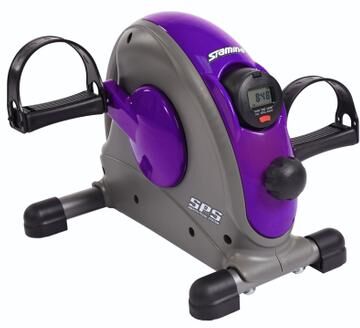
Stamina Mini Exercise Bike by Stamina in Purple GreyJust Spin to BeginWhen you're beginning your fitness journey, there's no better way to start than in the comfort of your home or at work in your cubicle. With the upgraded purple Stamina Mini Exercise Bike, you can do just that. In fact, you can use...104,99 $*Shipping: 29,98 $Secure redirect to the provider
-
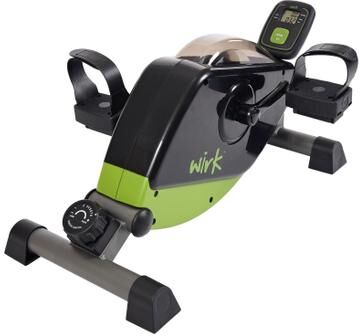
Stamina Wirk Under Desk Exercise Bike by Stamina in GreenNo More Painful Desk ExerciseIf you've tried an under-the-desk cycle before, you know how hard it can be to position yourself into that sweet spot. Luckily, with the Stamina WIRK Under Desk Exercise Bike, you don't have to worry about banging your...159,99 $*Shipping: 33,98 $Secure redirect to the provider
-
Introduction to Algorithms by Thomas H. Cormen, et al. - Non Fiction - HardcoverTitle:. Introduction to Algorithms Condition: BRAND NEW. Format: Hardcover Overview:. The latest edition of the definitive text and professional reference for algorithms, Introduction to Algorithms offers rigorous, comprehensive coverage that remains remarkably approachable. This hardcover edition expands the conversation with substantial new material on topics such as van Emde Boas trees, multithreaded algorithms, dynamic programming, and edge-based flow, ensuring it stays ahead of contemporary research and practical applications. The book masterfully balances theory and practice: complex proofs sit alongside readable English explanations and clear, implementation-friendly pseudocode. Each chapter stands on its own, allowing students to study topics in focused modules or to follow a coherent, cumulative learning path. Whether you are a first-year computer science student, a graduate researcher, or a software professional needing a reliable reference, this edition guides you from fundamental concepts to advanced techniques with precision and clarity. The authors prioritise accessible notation and thoughtful pedagogy, helping readers build intuition while gaining the analytical muscle required for real-world problem solving. What Makes This Book Stand Out:. This book remains unmatched in its capacity to teach algorithm design as a disciplined craft. The latest edition preserves the iconic mix of rigorous proofs, rigorous complexity analyses, and practical, readable descriptions that demystify even the most challenging ideas. What sets this edition apart are the notable expansions into modern algorithmic terrain—from data-structure innovations to parallel and distributed thinking—while maintaining the integrity of the original's structure: logically ordered chapters, well-chosen examples, and exercises that reinforce understanding. The emphasis on self-contained chapters makes it an ideal course companion, enabling instructors to map a syllabus and students to tailor a personal study plan. The blend of theory, concrete methodology, and implementable pseudocode helps readers translate abstract concepts into working code and robust systems. Who This Book Is Perfect For:. Ideal for undergraduate and graduate computer science students, this is also an indispensable reference for software engineers, researchers, and developers preparing for advanced technical interviews. If you’re building a solid foundation in algorithmic thinking or tackling complex projects that demand efficient data processing, this book is a trusted companion. It’s equally well-suited for independent learners who crave a deep, structured understanding of how algorithms work in practice, as well as for instructors designing course curricula who need a reliable, time-tested core text. Key Highlights:. Definitive, rigorously structured coverage from fundamental to advanced algorithms. Readable English explanations paired with implementation-friendly pseudocode. Self-contained chapters...99,99 £*Shipping: 0,00 £Secure redirect to the provider
-
Grokking Algorithms: An Illustrated Guide for Programmers by Aditya Bhargava - Non Fiction - PaperbackTitle:. Grokking Algorithms: An illustrated guide for programmers and other curious people Condition: BRAND NEW. Format: Paperback Overview:. Grokking Algorithms offers a refreshingly practical pathway into the world of algorithms for curious readers, from aspiring developers to seasoned programmers who want a reliable refresher. This fully illustrated guide blends friendly prose with visual diagrams, turning abstract concepts into concrete, memorable ideas. Rather than drowning you in equations, it builds intuition through concrete problems and approachable storytelling. You’ll start with the basics—sorting, searching, and the intuition behind efficiency—and gradually tackle more powerful ideas such as recursion, greedy strategies, dynamic programming, and graph algorithms. Each chapter uses real-world analogies and step-by-step reasoning that make it easy to see why a particular algorithm works and when to apply it. The tone is welcoming, patient, and highly practical, designed to fit into busy schedules and self-paced learning. Whether you’re debugging a stubborn piece of code, studying for interviews, or simply satisfying your curiosity about how software makes decisions, this book provides a reliable, visual toolkit you can reach for again and again. It’s more than a read—it’s a practical mindset shift for everyday programming. What Makes This Book Stand Out:. What sets Grokking Algorithms apart is its distinctive visual approach to complex ideas. Each concept is explained with clean diagrams and concise narratives that translate theory into usable know-how. The book emphasizes problem-solving workflows over dense formalism, helping readers see patterns across different algorithms rather than memorizing isolated tricks. You’ll learn how to choose the right algorithm for a task, estimate time and space costs, and reason about performance in real terms—essential for writing efficient code and communicating decisions to teammates. Its structure supports incremental learning: a light introduction, then deeper dives, with practical code-ready insights you can apply the moment you finish a chapter. And because its explanations are grounded in everyday programming tasks, the material sticks, making it ideal for self-study, bootcamps, or classroom settings. The illustrated format also makes this book exceptionally friendly for visual learners, turning abstract ideas into memorable mental models that stick long after you close the cover. Who This Book Is Perfect For:. This book is tailor-made for curious beginners and busy developers who want solid algorithmic foundations without getting bogged down in formal proofs. It’s perfect for computer science students seeking a gentler entry point, self-taught programmers looking to build confidence, and professionals preparing for coding interviews who benefit from clear, visual explanations. Teachers and tutors will appreciate the structured progression and accessible examples that translate well into...18,97 £*Shipping: 2,99 £Secure redirect to the provider


-
Which sorting algorithms are there?
There are several common sorting algorithms, including bubble sort, selection sort, insertion sort, merge sort, quick sort, and heap sort. Each algorithm has its own advantages and disadvantages in terms of time complexity, space complexity, and stability. The choice of sorting algorithm depends on the specific requirements of the problem at hand. **
-
What are the Instagram algorithms?
The Instagram algorithms are a set of complex calculations used by the platform to determine what content users see on their feed. These algorithms analyze user behavior, such as likes, comments, and shares, to prioritize content from accounts that users engage with the most. The algorithms also take into account the timeliness of posts, the relationship between users, and the type of content being shared. By using these algorithms, Instagram aims to show users the most relevant and engaging content on their feed. **
-
Should one learn without algorithms?
Learning without algorithms is certainly possible, as there are many different ways to acquire knowledge and skills. However, algorithms can be valuable tools for organizing and processing information, so learning about them can be beneficial. Understanding algorithms can help individuals solve complex problems, improve decision-making processes, and enhance their overall problem-solving abilities. Therefore, while it is not necessary to learn algorithms, doing so can certainly be advantageous in many fields. **
-
What are algorithms in computer science?
Algorithms in computer science are step-by-step procedures or formulas for solving a problem or accomplishing a task. They are a set of rules or instructions that are followed to achieve a particular goal. Algorithms are used in various computer science applications, such as sorting data, searching for information, and performing calculations. They are essential in programming and software development as they provide a systematic way to solve problems and process data efficiently. **

How do logarithmic sorting algorithms work?
Logarithmic sorting algorithms work by dividing the input data into smaller subgroups and recursively sorting these subgroups. One common example is the merge sort algorithm, which divides the input list into two halves, sorts each half separately, and then merges them back together in sorted order. By repeatedly dividing the data and merging the sorted subgroups, logarithmic sorting algorithms achieve a time complexity of O(n log n), making them efficient for large datasets. **
What are simple algorithms in Java?
Simple algorithms in Java are step-by-step procedures for solving a specific problem or performing a specific task. These algorithms are typically written in Java programming language and are designed to be easy to understand and implement. Examples of simple algorithms in Java include sorting algorithms like bubble sort or insertion sort, searching algorithms like linear search or binary search, and mathematical algorithms like finding the factorial of a number or calculating the Fibonacci sequence. These algorithms are fundamental building blocks in computer science and are essential for solving a wide range of problems in software development. **
Top-Angebote
Products related to Algorithms:
-
Mini Exercise Bike, Blue Home Fitness Equipment by Stamina in BlueWith the Stamina Mini Exercise Bike, you can work your lower or upper body from the comfort of home and even sitting down! Choose between 8 levels of quiet magnetic resistance to increase or decrease the intensity of your workout. The Smooth Pedal...119,99 $*Shipping: 31,98 $Secure redirect to the provider
-
Stamina X 4-In-1 Strength Training Station Home Fitness Equipment by Stamina in Red Black"The Stamina X 4-in-1 Strength Training Station allows you to easily and efficiently sculpt and strengthen your back, chest and legs. Perform assisted squats, sit-ups, push-ups, sit-to-stands, back extensions and more. Traditional ""sissy squat..."229,99 $*Shipping: 48,58 $Secure redirect to the provider
-
Stamina Mini Exercise Bike by Stamina in Purple GreyJust Spin to BeginWhen you're beginning your fitness journey, there's no better way to start than in the comfort of your home or at work in your cubicle. With the upgraded purple Stamina Mini Exercise Bike, you can do just that. In fact, you can use...104,99 $*Shipping: 29,98 $Secure redirect to the provider
-
Stamina Wirk Under Desk Exercise Bike by Stamina in GreenNo More Painful Desk ExerciseIf you've tried an under-the-desk cycle before, you know how hard it can be to position yourself into that sweet spot. Luckily, with the Stamina WIRK Under Desk Exercise Bike, you don't have to worry about banging your...159,99 $*Shipping: 33,98 $Secure redirect to the provider
-
What do algorithms calculate?
Algorithms are designed to calculate specific tasks or operations based on a set of instructions. They can be used to perform mathematical calculations, process data, analyze patterns, make decisions, and solve problems. In essence, algorithms are used to automate and streamline various processes by following a predefined sequence of steps to produce a desired outcome. **
-
What do algorithms achieve?
Algorithms achieve the ability to process and analyze large amounts of data quickly and efficiently. They help in making predictions, identifying patterns, and solving complex problems. Algorithms are used in various fields such as finance, healthcare, and technology to optimize processes and improve decision-making. Overall, algorithms play a crucial role in automating tasks, improving productivity, and driving innovation. **
-
Which sorting algorithms are there?
There are several common sorting algorithms, including bubble sort, selection sort, insertion sort, merge sort, quick sort, and heap sort. Each algorithm has its own advantages and disadvantages in terms of time complexity, space complexity, and stability. The choice of sorting algorithm depends on the specific requirements of the problem at hand. **
-
What are the Instagram algorithms?
The Instagram algorithms are a set of complex calculations used by the platform to determine what content users see on their feed. These algorithms analyze user behavior, such as likes, comments, and shares, to prioritize content from accounts that users engage with the most. The algorithms also take into account the timeliness of posts, the relationship between users, and the type of content being shared. By using these algorithms, Instagram aims to show users the most relevant and engaging content on their feed. **
Similar search terms for Algorithms
-
Introduction to Algorithms by Thomas H. Cormen, et al. - Non Fiction - HardcoverTitle:. Introduction to Algorithms Condition: BRAND NEW. Format: Hardcover Overview:. The latest edition of the definitive text and professional reference for algorithms, Introduction to Algorithms offers rigorous, comprehensive coverage that remains remarkably approachable. This hardcover edition expands the conversation with substantial new material on topics such as van Emde Boas trees, multithreaded algorithms, dynamic programming, and edge-based flow, ensuring it stays ahead of contemporary research and practical applications. The book masterfully balances theory and practice: complex proofs sit alongside readable English explanations and clear, implementation-friendly pseudocode. Each chapter stands on its own, allowing students to study topics in focused modules or to follow a coherent, cumulative learning path. Whether you are a first-year computer science student, a graduate researcher, or a software professional needing a reliable reference, this edition guides you from fundamental concepts to advanced techniques with precision and clarity. The authors prioritise accessible notation and thoughtful pedagogy, helping readers build intuition while gaining the analytical muscle required for real-world problem solving. What Makes This Book Stand Out:. This book remains unmatched in its capacity to teach algorithm design as a disciplined craft. The latest edition preserves the iconic mix of rigorous proofs, rigorous complexity analyses, and practical, readable descriptions that demystify even the most challenging ideas. What sets this edition apart are the notable expansions into modern algorithmic terrain—from data-structure innovations to parallel and distributed thinking—while maintaining the integrity of the original's structure: logically ordered chapters, well-chosen examples, and exercises that reinforce understanding. The emphasis on self-contained chapters makes it an ideal course companion, enabling instructors to map a syllabus and students to tailor a personal study plan. The blend of theory, concrete methodology, and implementable pseudocode helps readers translate abstract concepts into working code and robust systems. Who This Book Is Perfect For:. Ideal for undergraduate and graduate computer science students, this is also an indispensable reference for software engineers, researchers, and developers preparing for advanced technical interviews. If you’re building a solid foundation in algorithmic thinking or tackling complex projects that demand efficient data processing, this book is a trusted companion. It’s equally well-suited for independent learners who crave a deep, structured understanding of how algorithms work in practice, as well as for instructors designing course curricula who need a reliable, time-tested core text. Key Highlights:. Definitive, rigorously structured coverage from fundamental to advanced algorithms. Readable English explanations paired with implementation-friendly pseudocode. Self-contained chapters...99,99 £*Shipping: 0,00 £Secure redirect to the provider
-
Grokking Algorithms: An Illustrated Guide for Programmers by Aditya Bhargava - Non Fiction - PaperbackTitle:. Grokking Algorithms: An illustrated guide for programmers and other curious people Condition: BRAND NEW. Format: Paperback Overview:. Grokking Algorithms offers a refreshingly practical pathway into the world of algorithms for curious readers, from aspiring developers to seasoned programmers who want a reliable refresher. This fully illustrated guide blends friendly prose with visual diagrams, turning abstract concepts into concrete, memorable ideas. Rather than drowning you in equations, it builds intuition through concrete problems and approachable storytelling. You’ll start with the basics—sorting, searching, and the intuition behind efficiency—and gradually tackle more powerful ideas such as recursion, greedy strategies, dynamic programming, and graph algorithms. Each chapter uses real-world analogies and step-by-step reasoning that make it easy to see why a particular algorithm works and when to apply it. The tone is welcoming, patient, and highly practical, designed to fit into busy schedules and self-paced learning. Whether you’re debugging a stubborn piece of code, studying for interviews, or simply satisfying your curiosity about how software makes decisions, this book provides a reliable, visual toolkit you can reach for again and again. It’s more than a read—it’s a practical mindset shift for everyday programming. What Makes This Book Stand Out:. What sets Grokking Algorithms apart is its distinctive visual approach to complex ideas. Each concept is explained with clean diagrams and concise narratives that translate theory into usable know-how. The book emphasizes problem-solving workflows over dense formalism, helping readers see patterns across different algorithms rather than memorizing isolated tricks. You’ll learn how to choose the right algorithm for a task, estimate time and space costs, and reason about performance in real terms—essential for writing efficient code and communicating decisions to teammates. Its structure supports incremental learning: a light introduction, then deeper dives, with practical code-ready insights you can apply the moment you finish a chapter. And because its explanations are grounded in everyday programming tasks, the material sticks, making it ideal for self-study, bootcamps, or classroom settings. The illustrated format also makes this book exceptionally friendly for visual learners, turning abstract ideas into memorable mental models that stick long after you close the cover. Who This Book Is Perfect For:. This book is tailor-made for curious beginners and busy developers who want solid algorithmic foundations without getting bogged down in formal proofs. It’s perfect for computer science students seeking a gentler entry point, self-taught programmers looking to build confidence, and professionals preparing for coding interviews who benefit from clear, visual explanations. Teachers and tutors will appreciate the structured progression and accessible examples that translate well into...18,97 £*Shipping: 2,99 £Secure redirect to the provider
-
Stamina InTone Oval Fitness Trampoline w/DVD by Stamina in BlueThe Stamina® InTone® Oval Fitness Trampoline with padded handlebar and electronic monitor is a fun way to work out. You will improve your cardiovascular fitness while you tone your calves, quads, hamstrings, and buttocks. Strengthen and tone your...174,99 $*Shipping: 45,98 $Secure redirect to the provider
-
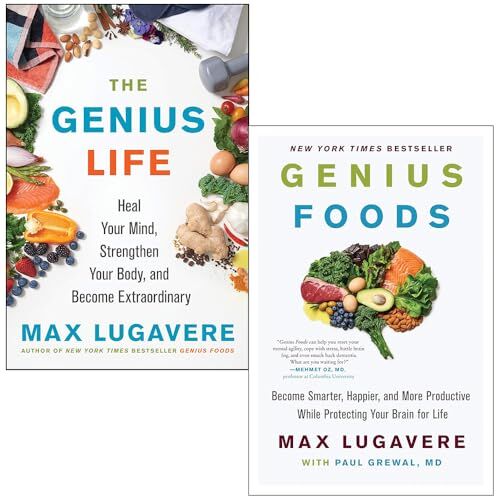
Harper ltd Max Lugavere 2 Book Set – Genius Foods & The Genius Life Brain Health, Nutrition & Wellness CollectionMax Lugavere 2-Book Collection Set (The Genius Life & Genius Foods – Nutrition, Health, Wellness, Diet, Brain & Body Health, Self-Help & Fitness) The Genius Life: Heal Your Mind, Strengthen Your Body, and Become Extraordinary: Supporting the work of Battersea Dogs and Cats Home.Enjoy a heartwarming dog to brighten every single day of the year. From Pickles, the dog who single-handedly saved the 1966 world cup, to Pal, who found silver screen fame as the original Lassie, Battersea's A Dog a Day contains 365 fascinating stories of dogs to enjoy throughout the year.Beautifully packaged and illustrated throughout with charming illustrations of cheeky puppies and hounds, this is the perfect book for any lover of our four-legged friends. Genius Foods: Become Smarter, Happier, and More Productive While Protecting Your Brain for Life: After his mother was diagnosed with a mysterious form of dementia, Max Lugavere put his successful media career on hold to learn everything he could about brain health and performance. For the better half of a decade, he consumed the most up-to-date scientific research, talked to dozens of leading scientists and clinicians around the world, and visited the country’s best neurology departments—all in the hopes of understanding his mother’s condition.Now, in Genius Foods, Lugavere presents a comprehensive guide to brain optimization. He uncovers the stunning link between our dietary and lifestyle choices and our brain functions, revealing how the foods you eat directly affect your ability to focus, learn, remember, create, analyze new ideas, and maintain a balanced mood.12,95 £*Shipping: 2,99 £Secure redirect to the provider
-
Should one learn without algorithms?
Learning without algorithms is certainly possible, as there are many different ways to acquire knowledge and skills. However, algorithms can be valuable tools for organizing and processing information, so learning about them can be beneficial. Understanding algorithms can help individuals solve complex problems, improve decision-making processes, and enhance their overall problem-solving abilities. Therefore, while it is not necessary to learn algorithms, doing so can certainly be advantageous in many fields. **
-
What are algorithms in computer science?
Algorithms in computer science are step-by-step procedures or formulas for solving a problem or accomplishing a task. They are a set of rules or instructions that are followed to achieve a particular goal. Algorithms are used in various computer science applications, such as sorting data, searching for information, and performing calculations. They are essential in programming and software development as they provide a systematic way to solve problems and process data efficiently. **
-
How do logarithmic sorting algorithms work?
Logarithmic sorting algorithms work by dividing the input data into smaller subgroups and recursively sorting these subgroups. One common example is the merge sort algorithm, which divides the input list into two halves, sorts each half separately, and then merges them back together in sorted order. By repeatedly dividing the data and merging the sorted subgroups, logarithmic sorting algorithms achieve a time complexity of O(n log n), making them efficient for large datasets. **
-
What are simple algorithms in Java?
Simple algorithms in Java are step-by-step procedures for solving a specific problem or performing a specific task. These algorithms are typically written in Java programming language and are designed to be easy to understand and implement. Examples of simple algorithms in Java include sorting algorithms like bubble sort or insertion sort, searching algorithms like linear search or binary search, and mathematical algorithms like finding the factorial of a number or calculating the Fibonacci sequence. These algorithms are fundamental building blocks in computer science and are essential for solving a wide range of problems in software development. **
* All prices are inclusive of VAT and, if applicable, plus shipping costs. The offer information is based on the details provided by the respective shop and is updated through automated processes. Real-time updates do not occur, so deviations can occur in individual cases. ** Note: Parts of this content were created by AI.